
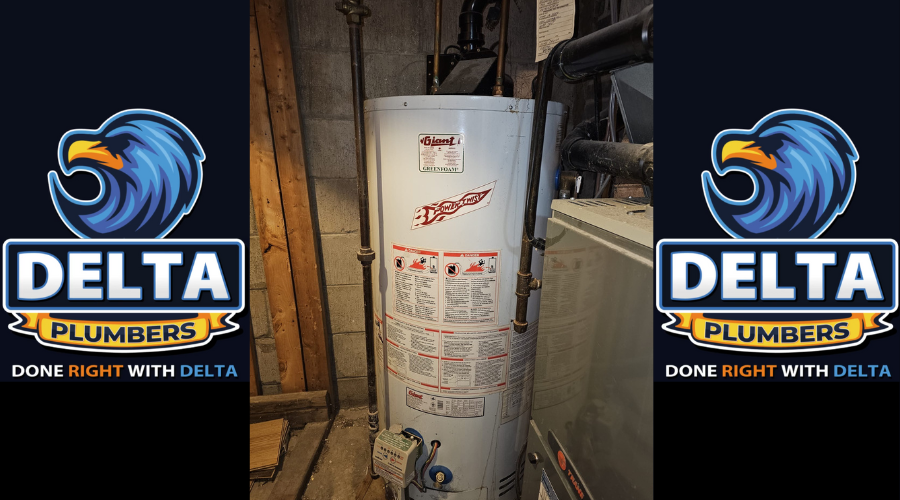
Introduce the concept of water heater maintenance, explaining how proper care extends the unit’s life, optimizes performance, and keeps energy bills low. Emphasize Delta Plumbers’ expertise in providing tailored maintenance solutions that fit homeowners’ unique needs across Ontario, keeping their water heaters safe, efficient, and durable. In this blog, let’s talk about the benefits of professional water heater maintenance.

Picture Source – Delta Plumbers
Why is Water Heater Maintenance Important?
- Efficiency and Cost Savings
Regular maintenance keeps your water heater running efficiently by addressing issues like sediment buildup and component wear. When sediment settles at the bottom of the tank, it insulates the water from direct heat, causing the heater to use more energy. Routine flushing and inspections ensure the system operates at peak efficiency, translating to lower energy bills. - Safety
A poorly maintained water heater can pose safety risks, such as gas leaks in gas models or potential electrical hazards. Safety components, like the temperature and pressure (T&P) relief valve, must function correctly to prevent accidents. Professional plumbers can test these features and make adjustments to ensure the unit operates safely. - Prolonged Lifespan
Maintenance can add years to a water heater’s life by preventing issues before they worsen. Instead of replacing a water heater prematurely due to neglect, proper care can help you get the most out of your investment. - Water Quality
As sediment accumulates, it can reduce water quality, leading to discolored or foul-smelling water. Flushing the tank regularly improves water quality, making showers, cleaning, and cooking safer and more pleasant. - Emergency Repair Prevention
Emergency repairs can be costly and disruptive. Regular maintenance helps identify small issues before they become major problems, preventing sudden breakdowns that leave homeowners without hot water.
Delta Plumbers provides comprehensive maintenance services that address each of these benefits, offering peace of mind and long-term savings for homeowners.
Also Read: How to Repair a Leaking Shower: A Complete Guide by Delta Plumbers

Picture Source – Delta Plumbers
How Often Should a Hot Water Heater Be Serviced?
- Annual Inspections for Traditional Heaters
Most experts recommend servicing traditional tank water heaters once a year. Annual inspections help detect any signs of wear, corrosion, or inefficiency, giving homeowners the opportunity to address these issues before they lead to larger problems. - Tankless Water Heaters
While tankless models don’t store water, they still require periodic maintenance to clear mineral buildup, especially in areas with hard water. Delta Plumbers recommends bi-annual maintenance for tankless units to keep them working effectively. - Signs Maintenance is Needed
If you notice fluctuating water temperatures, strange noises, or discolored water, it may be time to schedule a service call. Other signs include low water pressure or excessive cycling of the unit, which often indicate buildup or component wear. - Delta Plumbers’ Recommendations
At Delta Plumbers, we tailor maintenance schedules based on the specific type and usage level of each water heater. Our team advises on maintenance frequencies that fit your system’s unique needs, optimizing performance and extending its life.
Also Read: Prevent Clogs in Your Kitchen Sink: How to Do It Guide by Delta Plumbers

Picture Source – Delta Plumbers
What Happens If You Don’t Maintain Your Water Heater?
- Reduced Efficiency
Without regular maintenance, sediment and mineral deposits will continue to accumulate. These deposits act as insulators between the water and the heating element, forcing the unit to use more energy to achieve the same temperature. This inefficiency is immediately noticeable on utility bills. - Higher Bills
Poor efficiency directly increases energy costs. Homeowners may find that their energy bills rise, even though they haven’t changed their water usage. Over time, these increased costs add up, making regular maintenance a cost-saving measure. - Increased Risk of Breakdowns
Ignoring small problems, such as a worn anode rod or failing heating element, often leads to system malfunctions. These minor issues, if unaddressed, can cause larger mechanical failures, leading to expensive repairs or even the need for a replacement. - Shorter Lifespan
A neglected water heater can lose years off its lifespan, resulting in an early replacement that costs far more than regular maintenance. - Emergency Repairs
Regular maintenance reduces the need for emergency repairs. By scheduling inspections, Delta Plumbers helps customers avoid inconvenient, often expensive repairs, keeping their water heaters running smoothly year-round.
Also Read: Professional Drain Cleaning Service: Benefits and More

Picture Source – Delta Plumbers
How Important is It to Flush Your Water Heater?
- Sediment Buildup Prevention
Sediment buildup is a natural process, especially in areas with hard water. Over time, this sediment accumulates at the bottom of the tank, insulating the water from direct heat. Flushing removes these deposits, allowing the heating element to function more effectively. - Improved Efficiency
Flushing the tank improves energy efficiency by allowing water to heat up more quickly. With regular flushing, the heating element doesn’t need to work as hard, saving energy and lowering utility bills. - Reducing Noise and Wear
Sediment buildup can cause rumbling or popping sounds, which are often due to trapped air pockets within the sediment layer. These noises indicate that the heater is working harder than necessary, which causes wear on internal components. Regular flushing eliminates these sounds and reduces strain on the unit. - Delta Plumbers’ Expertise
At Delta Plumbers, our team performs safe, thorough flushing to keep your heater in top condition. For customers in hard water areas, we often recommend more frequent flushing schedules to prevent significant mineral buildup.
Also Read: Repair a Leaking Water Heater: How to Do it?

Picture Source – Delta Plumbers
What is the Most Important Part of a Water Heater?
- Heating Elements
For electric water heaters, the heating elements are key to the unit’s function. Over time, these elements can wear out or become covered in mineral deposits, reducing heating efficiency. Replacing worn elements during maintenance can restore performance. - Anode Rod
The anode rod, also called the “sacrificial rod,” prevents corrosion by attracting corrosive minerals away from the tank walls. Replacing this rod every 2-5 years (depending on water quality) can significantly extend the life of the tank. - Temperature and Pressure (T&P) Relief Valve
The T&P valve plays a critical safety role, releasing pressure if it becomes too high. A malfunctioning valve can be hazardous, making it a vital part of the maintenance check. - Thermostat
The thermostat regulates water temperature, impacting both comfort and energy use. A faulty thermostat may result in scalding water or inconsistent temperatures. Recalibrating or replacing thermostats during maintenance keeps the system safe and efficient. - Delta Plumbers’ Comprehensive Inspections
Delta Plumbers thoroughly inspects each of these components, identifying any potential issues early and replacing parts as needed to ensure continuous, safe operation.
Also Read: Benefits of Installing a Water Softener

Picture Source – Delta Plumbers
How Much Does It Cost to Flush a Water Heater?
- Average Cost of Professional Flushing
Flushing costs can vary, but they typically range between $80 to $200, depending on the unit’s size and local labor costs in Ontario. This small investment can prevent larger repair costs down the road. - DIY vs. Professional Service
While some homeowners may attempt DIY flushing, this can void warranties or even cause damage if not done correctly. Professional flushing ensures that the job is done safely and effectively, preventing unnecessary risks. - Delta Plumbers’ Value-Added Service
Delta Plumbers offers competitive pricing for flushing services and ensures that our professionals handle the job with care. Our team also performs a full inspection with every flush, identifying potential issues early to save customers from future repairs.
Also Read: How to Install New Kitchen Faucet: Delta Plumbers

Picture Source – Delta Plumbers
What is the Life Expectancy of a Hot Water Heater?
- Average Lifespan
Traditional tank water heaters typically last 8–12 years, while tankless water heaters can last up to 20 years with regular maintenance. These lifespans can vary depending on water quality and how often the unit is serviced. - Factors Affecting Lifespan
Water quality, daily usage, and regular maintenance all play significant roles in determining a heater’s lifespan. Hard water, for instance, can accelerate wear and tear, making routine maintenance even more critical in certain regions. - Role of Regular Maintenance
Regular maintenance helps identify and address small issues before they affect the unit’s lifespan. By scheduling routine services, customers can maximize their heater’s performance and lifespan. - Signs It’s Time to Replace
Discuss common indicators of a failing water heater, such as rusty water, metallic tastes, or frequent repairs. Delta Plumbers can help customers determine whether repair or replacement is more cost-effective.
Conclusion
Reinforce the benefits of professional water heater maintenance with Delta Plumbers. Summarize the benefits: increased efficiency, safety, extended lifespan, and emergency repair prevention. Encourage homeowners to schedule a maintenance appointment with Delta Plumbers to keep their water heaters in peak condition and enjoy continuous hot water year-round.