
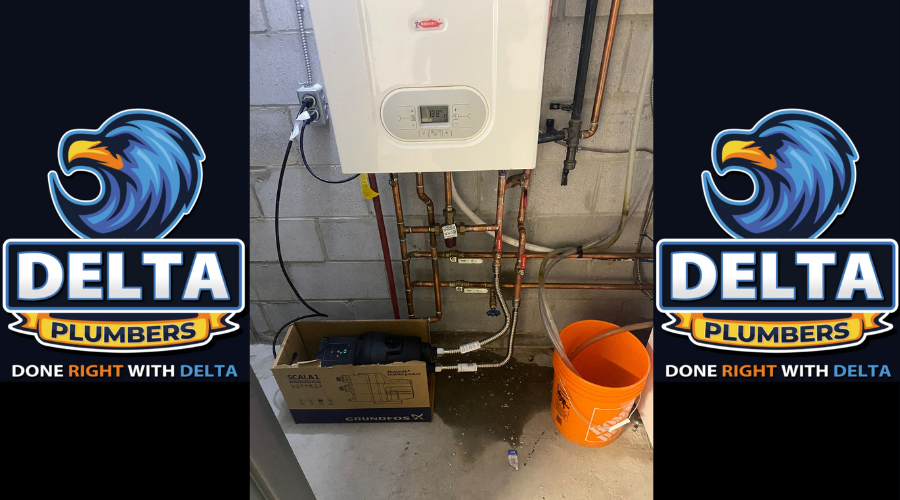
Water heaters are essential in any home, providing hot water for bathing, cleaning, cooking, and other daily activities. Traditionally, most households have relied on tank-style water heaters that store and heat a large volume of water for immediate use. However, with advancements in technology, tankless water heaters have gained popularity for their efficiency and convenience. This blog will explore the benefits of a tankless water heater and answer some of the most frequently asked questions about this modern home appliance.

Picture Source – Delta Plumbers
What is the Downside to a Tankless Water Heater?
While tankless water heaters offer many benefits, it is essential to consider the potential downsides before making a switch.
Initial Cost:
One of the primary downsides is the initial cost of the unit and installation. Tankless water heaters are generally more expensive than traditional tank-style heaters. The installation process can also be more complex, requiring upgrades to the plumbing and electrical systems, which can add to the overall expense.
Limited Flow Rate:
Tankless water heaters have a limited flow rate, meaning they may struggle to provide hot water for multiple outlets simultaneously. For example, if you are running a shower and dishwasher simultaneously, the water heater may struggle to deliver hot water to both.
Inconsistent Temperature:
In some cases, tankless water heaters may produce inconsistent water temperatures, especially if the unit is undersized for the household’s needs. This can lead to fluctuations in water temperature during use, which may be inconvenient.
Maintenance Requirements:
Tankless water heaters require regular maintenance to prevent scale buildup and ensure efficient operation. This maintenance may involve descaling the unit and inspecting the heating elements, which can be more involved than the maintenance required for a traditional tank water heater.
Power Supply Dependency:
Unlike traditional tank-style heaters, tankless water heaters rely heavily on electricity to function. This means that in the event of a power outage, you may be left without hot water unless you have a backup power source.
Also Read: Water Heater Installation and Maintenance Tips

Picture Source – Delta Plumbers
Is It Worth It to Install a Tankless Water Heater?
Determining whether a tankless water heater is worth the investment depends on various factors, including your household’s hot water usage, budget, and long-term goals.
Energy Efficiency:
Tankless water heaters are highly energy-efficient because they only heat water when needed, reducing energy consumption compared to traditional tank-style heaters. This efficiency can result in significant energy savings over time, especially for households with high hot water demand.
Long-Term Savings:
While the initial cost of a tankless water heater may be higher, the long-term savings on energy bills can make it a worthwhile investment. Tankless water heaters have a longer lifespan than traditional heaters, meaning you may not need to replace them as frequently, further adding to the long-term savings.
Endless Hot Water:
One of the most significant advantages of a tankless water heater is providing hot water on demand, without running out. This feature is especially beneficial for large households or homes with high hot water demand, as you won’t need to worry about running out of hot water during peak usage times.
Space-Saving Design:
Tankless water heaters are compact and can be installed in various locations, freeing up valuable space in your home. This is especially advantageous for homeowners with limited space who want to maximize the utility of their living areas.
Environmental Impact:
Tankless water heaters have a smaller carbon footprint than traditional tank-style heaters, making them a more environmentally friendly option. By reducing energy consumption and greenhouse gas emissions, tankless water heaters contribute to a more sustainable lifestyle.
Increased Property Value:
Installing a tankless water heater can increase your home’s value and appeal to potential buyers. The energy efficiency, modern technology, and convenience of a tankless water heater can make your property more attractive in the real estate market.
Also Read: Common Plumbing Problems and How to Fix Them

Picture Source – Delta Plumbers
What is the Advantage of Having a Tankless Water Heater?
Tankless water heaters offer numerous advantages, making them an attractive option for many homeowners.
Energy Efficiency:
Tankless water heaters are designed to heat water on demand, which means they only use energy when hot water is needed. This on-demand heating can lead to significant energy savings, especially compared to traditional tank-style heaters that continuously heat and store water.
Endless Hot Water:
One of the most significant advantages of a tankless water heater is the ability to provide endless hot water. Unlike traditional heaters with limited storage capacity, tankless units heat water as it passes through the system, ensuring a continuous supply of hot water for your household.
Space-Saving Design:
Tankless water heaters are much smaller and more compact than traditional tank-style heaters. They can be mounted on walls or installed in small spaces, freeing up valuable floor space in your home.
Longer Lifespan:
Tankless water heaters generally have a longer lifespan than traditional tank-style heaters. While a standard tank water heater may last 10 to 15 years, a well-maintained tankless unit can last 20 years or more.
Reduced Risk of Water Damage:
Since tankless water heaters do not store large amounts of water, there is less risk of leaks and water damage compared to traditional tank-style heaters. This can save you money on repairs and prevent potential water damage to your home.
Lower Operating Costs:
While tankless water heaters may have a higher upfront cost, their energy efficiency and longer lifespan can lead to lower operating costs over time. Reduced energy consumption and the elimination of standby heat loss contribute to overall savings on your energy bills.
Also Read: Regular Plumbing Maintenance: Why It Is Important

Picture Source – Delta Plumbers
Can I Replace My 40-Gallon Water Heater with a Tankless Water Heater?
Yes, it is possible to replace a 40-gallon water heater with a tankless water heater, but there are several factors to consider before making the switch.
Sizing:
One of the most critical factors when replacing a tank water heater with a tankless unit is sizing. Tankless water heaters come in various sizes, and choosing the right size for your household’s hot water needs is essential. A professional plumber can assess your hot water usage and recommend a tankless unit that can meet your demand without overloading the system.
Installation Requirements:
Replacing a traditional water heater with a tankless unit may require some modifications to your home’s plumbing and electrical systems. Tankless water heaters often require upgrades to the gas line, electrical wiring, or venting system to accommodate the new unit. It’s essential to work with a licensed plumber who can assess your home’s infrastructure and ensure that the installation is done correctly.
Energy Source:
Tankless water heaters can be powered by electricity, natural gas, or propane. If your current 40-gallon water heater is gas-powered, switching to a gas-powered tankless unit may be more straightforward. However, if you opt for an electric tankless heater, you may need to upgrade your home’s electrical system to handle the increased load.
Flow Rate:
Tankless water heaters have a limited flow rate, which means they may not be able to supply hot water to multiple outlets simultaneously. When replacing a 40-gallon water heater, it’s crucial to consider the flow rate of the tankless unit and ensure it can meet your household’s hot water needs during peak usage times.
Cost Considerations:
While replacing a 40-gallon water heater with a tankless unit can offer long-term energy savings, it’s essential to consider the upfront cost of the unit and installation. Upgrading your home’s plumbing and electrical systems can add to the overall expense, so it’s crucial to weigh the benefits against the initial investment.
Also Read: Sewer Repair Service: A Comprehensive Guide

Picture Source – Delta Plumbers
Is It Expensive to Switch to a Tankless Water Heater?
Switching to a tankless water heater can be more expensive than replacing an existing tank-style water heater, but the long-term benefits may outweigh the initial costs.
Unit Cost:
Tankless water heaters are typically more expensive than traditional tank-style heaters. The cost of a tankless unit can vary depending on the brand, size, and features, but it is generally higher than the cost of a comparable tank water heater.
Installation Costs:
Installing a tankless water heater may require upgrades to your home’s plumbing, electrical, and venting systems, which can add to the overall cost. The complexity of the installation can vary depending on your home’s infrastructure and the specific requirements of the tankless unit.
Energy Savings:
While the initial cost of switching to a tankless water heater may be higher, the energy savings over time can help offset the expense. Tankless water heaters are more energy-efficient than traditional tank-style heaters, which can reduce your energy bills and lead to long-term savings.
Longer Lifespan:
Tankless water heaters have a longer lifespan than traditional heaters, which can reduce the frequency of replacements and save you money in the long run. A well-maintained tankless unit can last 20 years or more, compared to 10 to 15 years for a standard tank water heater.
Potential Rebates and Incentives:
In some areas, homeowners may be eligible for rebates or incentives when switching to a tankless water heater. These incentives can help offset the initial cost and make the switch more affordable. It’s worth checking with your local utility company or government programs to see if any rebates are available in your area.
Maintenance Costs:
Tankless water heaters require regular maintenance to ensure optimal performance. While maintenance costs may be higher than those for a traditional tank water heater, the energy savings and longer lifespan of a tankless unit can make it a cost-effective choice in the long run.
Also Read: Faucet Installation: A Comprehensive Guide by Delta Plumbers

Picture Source – Delta Plumbers
How Much Does It Cost to Convert a Tank to a Tankless Water Heater?
The cost of converting a tank water heater to a tankless water heater can vary widely depending on several factors.
Unit Cost:
The price of the tankless water heater itself is one of the most significant factors in the overall cost of the conversion. High-quality tankless water heaters can range from $500 to $2,500 or more, depending on the brand, size, and features.
Installation Costs:
Installation costs can vary depending on the complexity of the project and your home’s existing infrastructure. If significant upgrades to the plumbing, electrical, or venting systems are needed, the installation costs can increase substantially. On average, installation costs can range from $1,000 to $3,000 or more.
Labor Costs:
The labor costs for installing a tankless water heater can vary depending on the contractor and location. Hiring a licensed and experienced plumber is essential to ensure the installation is done correctly. Labor costs can range from $500 to $1,500, depending on the complexity of the installation.
Permitting and Inspection Fees:
Depending on your location, you may need to obtain permits for the installation of a tankless water heater. Permit fees can vary, but they typically range from $50 to $300. Additionally, a final inspection may be required to ensure the installation meets local building codes and safety standards.
Additional Costs:
Depending on the specific installation requirements, additional costs may be involved, such as upgrading the gas line, electrical wiring, or venting system. These upgrades can add to the overall cost of the conversion.
Total Cost:
The total cost of converting a tank water heater to a tankless unit can range from $2,000 to $5,000 or more, depending on the factors mentioned above. While the initial investment may be higher, the energy savings and longer lifespan of a tankless water heater can make it a cost-effective choice in the long run.
Conclusion
Tankless water heaters offer numerous benefits, including energy efficiency, endless hot water, space-saving design, and a longer lifespan. While the initial cost of switching to a tankless water heater may be higher, the long-term savings on energy bills and the reduced risk of water damage can make it a worthwhile investment. By carefully considering the factors discussed in this blog and working with a professional plumber, you can determine whether a tankless water heater is the right choice for your home.
If you want to switch to a tankless water heater, Delta Plumbers is here to help. Our experienced team can assess your home’s needs, recommend the right unit, and ensure a seamless installation. Contact us today to learn more about the benefits of tankless water heaters and how we can help you enjoy endless hot water and energy savings for years to come.